
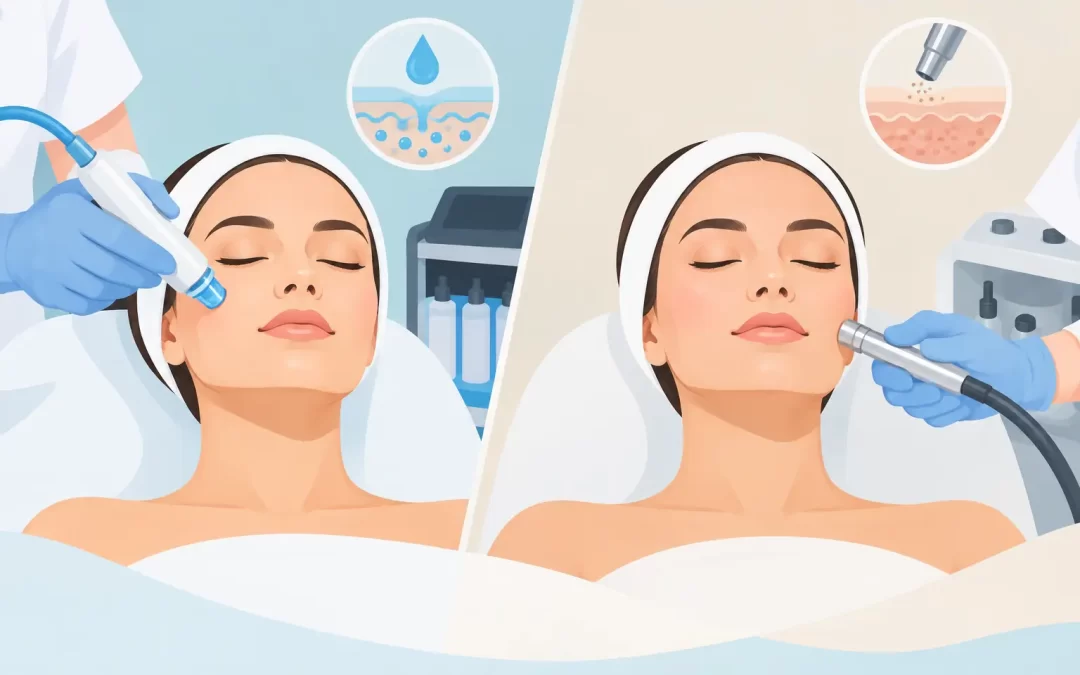
A last-minute beach weekend, a dinner on Lincoln Road, or simply a mirror that is showing more dullness than glow can make choosing a facial feel urgent. In the HydraFacial versus microdermabrasion treatment conversation, both services improve surface texture and refresh the look of skin, but they do not work in the same way. The best choice depends on what your complexion needs now, how sensitive it is, and whether you want targeted serum infusion along with exfoliation.
At Sky Nails & Spa of South Beach, advanced skincare is never a one-size-fits-all appointment. A trained skincare professional can assess visible congestion, dehydration, uneven texture, and sensitivity before recommending a treatment designed to leave you looking polished, rested, and confidently radiant.
HydraFacial versus microdermabrasion treatment: the key difference
Microdermabrasion is a mechanical exfoliation treatment. Using a specialized device, the provider gently buffs away a layer of accumulated dead surface cells while suction helps lift debris. The result is skin that can feel smoother and look brighter, especially when rough texture, superficial dullness, or a tired-looking complexion is the main concern.
A HydraFacial is a multi-step treatment that pairs exfoliation with vortex-style extraction and the delivery of hydrating, targeted serums. Rather than focusing only on resurfacing, it is designed to cleanse, exfoliate, clear pores, and replenish the skin in one customized service. That combination is why HydraFacial is often a favorite before events, travel, photos, and nights out when guests want visible glow without planning around significant peeling.
Neither treatment is automatically better. Microdermabrasion can be an excellent, direct choice for someone who wants classic exfoliation. HydraFacial may be the stronger match for skin that looks congested or dehydrated as well as dull. The right recommendation comes down to your skin goals, current condition, and comfort level.
What a HydraFacial feels like
A HydraFacial appointment begins with cleansing and exfoliation to loosen surface buildup. Gentle suction then helps clear pores, followed by customized boosters or serums selected for concerns such as dehydration, lack of radiance, visible congestion, or the appearance of fine lines. The experience is typically comfortable and refreshing, with many guests describing it as a cool, clean feeling rather than an abrasive one.
The immediate result is often plumper-looking, dewy skin with a noticeably smoother finish. Makeup may apply more evenly afterward, although many guests prefer to enjoy their fresh, bare-skin glow for the rest of the day. Because the treatment includes hydration, it can be especially appealing in Miami Beach, where sun exposure, heat, air conditioning, salt air, and a busy social calendar can all leave the complexion looking depleted.
HydraFacial also offers flexibility. Someone with oilier, congested skin may benefit from the extraction-focused steps, while a guest whose skin feels dry and tight may prioritize nourishing hydration. Your provider can tailor the treatment rather than taking a fixed approach to every face.
Who may love HydraFacial most
HydraFacial is often well suited to guests who want a refined glow with minimal interruption to their plans. It can be a smart pre-event choice, provided it is not your first time trying a facial the morning of a major occasion. It is also popular with people who wear makeup frequently, travel often, or notice that their skin looks both dry and congested at the same time.
It may be preferable for many sensitive-skin guests because it is generally gentle, but sensitivity is personal. Active irritation, a compromised skin barrier, a rash, sunburn, or certain skin conditions can change what is appropriate. A professional consultation matters more than a trend or a before-and-after photo.
What microdermabrasion feels like
During microdermabrasion, the device passes over the skin with controlled suction and a mild sanding sensation. It is not intended to be painful, but it can feel more distinctly exfoliating than a HydraFacial. Your provider adjusts the approach based on your skin type, goals, and tolerance so the service remains effective without being unnecessarily aggressive.
Afterward, your skin may feel exceptionally smooth and look more luminous. For some guests, there can be temporary pinkness or a feeling similar to very mild wind exposure. This usually settles quickly, but timing matters. If you have a wedding, vacation photo shoot, or important presentation, consider booking far enough in advance to see how your skin responds.
Microdermabrasion does not provide the same serum-infusion component as HydraFacial. That does not make it a lesser service. It makes it a more focused exfoliation treatment. For a guest whose priority is smoothing a rough, lackluster surface and supporting a fresh-looking complexion, that focus can be exactly right.
Who may love microdermabrasion most
Microdermabrasion can be an excellent fit for skin that feels textured, looks dull, or has a buildup of dead cells that is making skincare and makeup sit unevenly. Some guests choose it as part of an ongoing skincare routine, particularly when professional exfoliation is paired with thoughtful at-home care.
However, stronger is not always smarter. Guests with active acne inflammation, rosacea flares, eczema, open areas, sunburn, or very reactive skin may need a gentler option or may need to postpone treatment. If you use prescription retinoids, exfoliating acids, or certain acne medications, share that information before your appointment. It helps your skincare professional protect your results and your skin barrier.
Results, downtime, and maintenance
Both treatments can create a cleaner, brighter, smoother appearance after one session. HydraFacial commonly delivers a hydrated, glossy finish right away, while microdermabrasion offers a polished feel through physical exfoliation. Long-term improvement in texture, clarity, and overall radiance usually comes from a consistent plan rather than a single appointment.
Downtime is generally minimal for both, but it is not identical for every person. HydraFacial is known for a quick return to normal activities, though slight redness can occur. Microdermabrasion may produce more visible temporary pinkness, especially if the skin is sensitive or the treatment is more intensive. Avoid direct sun, excessive heat, vigorous exercise, harsh scrubs, and strong active ingredients immediately afterward as advised by your provider.
Daily sunscreen is essential after any exfoliating facial. Freshly treated skin deserves protection, particularly in South Florida. A broad-spectrum SPF, gentle cleansing, and hydration help maintain that expensive-looking glow longer than an aggressive at-home routine ever will.
How to choose the right facial for your skin goal
Choose HydraFacial if you want exfoliation plus hydration and targeted serum benefits, if clogged pores are part of the picture, or if you are preparing for an event and want a radiant finish with little expected downtime. It is also a strong option when your skin looks tired but feels thirsty.
Choose microdermabrasion if your main objective is classic mechanical exfoliation for visible surface roughness and dullness. It can be an appealing choice when you want to focus on smoothing the outermost layer of skin and refreshing an uneven-looking complexion.
If you are unsure, do not force your skin into a category. Your skin can be oily in the T-zone and dehydrated on the cheeks. It can be resilient one month and sensitive the next after a beach weekend, new products, stress, or seasonal changes. A professional skin assessment takes those details into account and creates a treatment choice that makes sense for the skin you have today.
The most beautiful results tend to look like your own skin, only clearer, smoother, and more awake. Choose the facial that supports that feeling, then give yourself the time to enjoy the glow.