
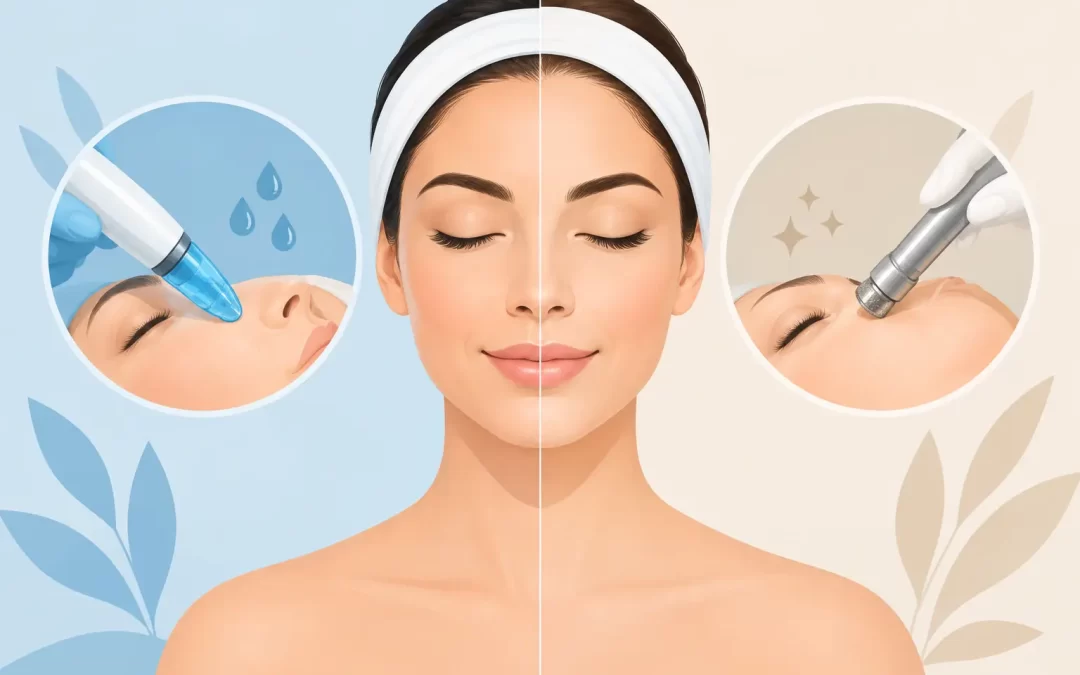
A last-minute beach weekend, a dinner on South Beach, or a camera-ready event can make one question feel especially urgent: which facial will leave skin looking fresh without causing a long recovery? HydraFacial versus microdermabrasion is a common comparison because both treatments exfoliate and brighten, yet they create that glow in very different ways.
The best choice depends on what your skin needs right now. If dryness, congestion, and a dull surface are your main concerns, a HydraFacial may be the more complete experience. If your goal is classic physical exfoliation and smoother-looking texture, microdermabrasion can be an excellent option. A professional skin consultation helps match the treatment to your skin condition, schedule, and desired result.
HydraFacial Versus Microdermabrasion at a Glance
Both services remove buildup from the skin’s surface, helping makeup apply more smoothly and restoring a cleaner, more polished appearance. Neither treatment should be treated as a one-size-fits-all solution, though. Skin sensitivity, acne activity, dehydration, sun exposure, and the timing of an upcoming event all matter.
Microdermabrasion is an exfoliation-focused treatment. It uses a specialized device to gently refine the outermost layer of the skin, typically with either a diamond-tipped handpiece or fine crystals. The goal is to lift away dead skin cells and encourage a smoother, brighter look.
A HydraFacial combines cleansing, exfoliation, pore-focused extraction, hydration, and serum infusion in one multi-step service. Its vortex technology removes impurities while delivering targeted ingredients selected for concerns such as dehydration, congestion, uneven tone, or lack of radiance. It is a treatment designed for guests who want exfoliation plus a more layered, replenishing facial experience.
What a HydraFacial Does for Your Skin
A HydraFacial begins by cleansing and exfoliating the skin to remove surface buildup. Next, the treatment uses gentle suction to help clear congestion from pores. The final infusion step delivers hydrating and antioxidant-rich serums, leaving skin with a noticeably dewy, refreshed finish.
That combination is why HydraFacial is often a favorite before vacations, celebrations, and nights out. The treatment is known for an immediate glow, and many guests enjoy that their complexion looks hydrated rather than simply scrubbed clean. It can also be customized, which is valuable when skin is feeling dry from air conditioning, congested from sunscreen and Miami humidity, or tired after travel.
The sensation is generally comfortable. You may feel light suction and the movement of the treatment handpiece, but it is not meant to feel harsh. Some guests experience temporary pinkness, especially if their skin is sensitive or they have recently used active exfoliating products. For most people, there is little to no downtime, making it a practical choice when the calendar is full.
HydraFacial is not automatically the best option for every concern. If you have an active rash, open lesions, a severe acne flare, sunburn, or a skin infection, your technician may recommend waiting. Guests using prescription retinoids or other potent skincare should share that information before the appointment so the service can be adjusted appropriately.
What Microdermabrasion Does for Your Skin
Microdermabrasion is centered on controlled mechanical exfoliation. By buffing away the accumulation of dead surface cells, it can help skin feel softer and look more even. It is particularly appealing when rough texture, flakiness, mild discoloration, or a lackluster complexion is the primary concern.
Think of it as a refined reset for the outer layer of the skin. After treatment, many guests notice smoother makeup application and a brighter-looking complexion. With a thoughtfully planned series of appointments, microdermabrasion may support a more consistent texture and clearer-looking surface over time.
Because this treatment is more directly exfoliation-driven, it can leave some skin temporarily pink or sensitive. That does not necessarily mean something is wrong, but it does mean timing matters. It is wise to avoid intense sun exposure, hot workouts, saunas, and strong exfoliating products immediately afterward. In Miami Beach, where outdoor plans often include strong sun and humidity, sunscreen is an essential part of post-treatment care.
Microdermabrasion may not be appropriate for highly reactive skin, active inflammatory acne, rosacea flare-ups, eczema in the treatment area, or compromised skin barriers. A trained skincare professional can assess whether a gentler facial approach would serve you better.
The Biggest Difference: Exfoliation Alone or Exfoliation Plus Hydration
The simplest way to understand HydraFacial versus microdermabrasion is to consider the finish you want.
Microdermabrasion prioritizes resurfacing. It is ideal when the focus is on smoothing the feel and appearance of the skin’s outer layer. There may be a little more visible post-treatment redness, depending on your skin and the level of exfoliation performed.
HydraFacial offers exfoliation, but it also puts equal emphasis on clearing pores and replenishing hydration. Guests often choose it when their skin feels both congested and dehydrated, which can happen at the same time. It tends to create a plumper, more luminous result immediately after the service.
Neither option replaces a personalized skincare routine, daily SPF, or professional guidance for persistent acne, melasma, or medical skin conditions. They are high-quality cosmetic treatments that work best as part of consistent skin maintenance.
Which Treatment Fits Your Goals?
Choose a HydraFacial when you want a polished, hydrated glow with minimal interruption to your plans. It is especially well suited for a pre-event refresh, post-travel dullness, visibly congested pores, or skin that needs moisture as much as it needs exfoliation.
Choose microdermabrasion when texture is your leading concern and you want a targeted exfoliation treatment. It can be a smart choice for skin that feels rough, looks dull, or needs help creating a smoother canvas for makeup and skincare.
If you are unsure, consider your skin’s current behavior rather than your usual skin type. A person with normally oily skin may be dehydrated after a flight or a week in the sun. Someone with resilient skin may become sensitive after trying a new retinol product. The right facial is based on what is happening now, not only on the label you give your skin.
How to Prepare and Protect Your Results
For either service, arrive with a clear picture of your routine. Let your technician know about retinol, exfoliating acids, acne medications, recent cosmetic procedures, allergies, pregnancy, or any history of sensitivity. This information makes customization safer and more effective.
Avoid aggressive scrubs, waxing in the treatment area, and strong at-home exfoliants shortly before your appointment unless your skincare professional advises otherwise. Afterward, keep your routine gentle for the rest of the day. Use a mild cleanser, a nourishing moisturizer, and broad-spectrum sunscreen, especially if you will be walking Alton Road, spending time by the water, or heading to an outdoor brunch.
Resist the temptation to layer multiple active products because your skin looks so fresh. The glow is worth protecting. Hydration, sun protection, and a calm routine give the treatment results room to shine.
A Luxury Facial Should Feel Personal
At Sky Nails & Spa of South Beach, advanced skincare is approached as a customized beauty service, not a rushed add-on. An expert technician can help you decide whether your skin will benefit more from HydraFacial’s cleansing and infusion steps or the smoothing, exfoliating power of microdermabrasion.
Book your facial with enough breathing room before a major event whenever possible, particularly if you are new to professional exfoliation or have sensitive skin. The most beautiful result is not just instant radiance – it is skin that feels comfortable, cared for, and ready for whatever Miami Beach has planned next.